Stergy Cleantech - Solar mounting structures
Solar panel mounting structures are essential components of solar energy systems, providing the necessary support and orientation for solar panels to capture sunlight efficiently.
- RCC Roof Mounts: RCC (Reinforced Cement Concrete) roof mounts are a type of solar panel mounting structure designed specifically for installation on rooftops made of concrete. These mounts involve anchoring metal or aluminum frames onto the concrete roof surface using specialized brackets and hardware. RCC roof mounts are popular for their durability and stability, providing a secure foundation for solar panels even in harsh weather conditions. They are commonly used in residential and commercial buildings with concrete roofs, offering a convenient and aesthetically pleasing solution for solar panel installations.
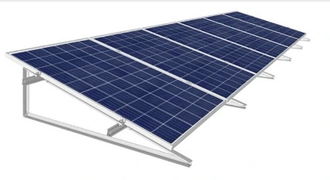
RCC (Reinforced Cement Concrete) flat roofs present a promising opportunity for solar panel installations, offering ample space and structural stability. When combined with aluminum racking systems, these installations become even more efficient and durable. In this article, we delve into the benefits and considerations of utilizing aluminum racking systems for solar installations on RCC flat roofs.
Understanding RCC Flat Roofs: RCC flat roofs are a common feature in many buildings, offering a solid foundation for various installations, including solar panels. These roofs are known for their durability, providing a stable surface for mounting solar arrays. With proper reinforcement and maintenance, RCC flat roofs can support the weight of solar panels and withstand environmental factors.
Our RCC flat roof Works
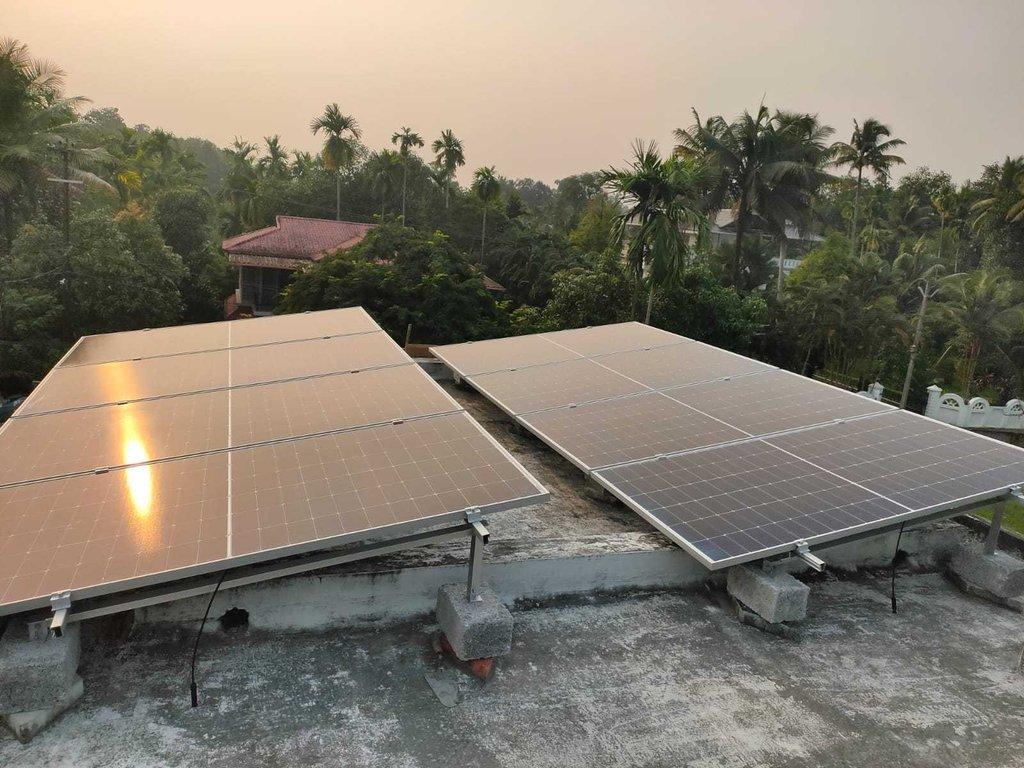
- Aluminum Racking Systems
Advantages of Aluminum Racking Systems: Aluminum racking systems are favored for solar panel installations due to their lightweight yet robust construction. Compared to traditional steel racking systems, aluminum offers several advantages, including corrosion resistance, ease of installation, and compatibility with a wide range of roof types. Additionally, aluminum's thermal conductivity helps dissipate heat, ensuring optimal performance of solar panels even in hot climates.
- Hot-Dipped Galvanized Aluminum Racking
Hot-Dipped Galvanized Aluminum Racking: Hot-dipped galvanized aluminum racking systems provide an added layer of protection against corrosion, extending the lifespan of solar installations on RCC flat roofs. This process involves immersing the aluminum components in molten zinc, creating a durable coating that enhances resistance to rust and degradation. As a result, hot-dipped galvanized aluminum racking systems are well-suited for long-term solar deployments in diverse environments.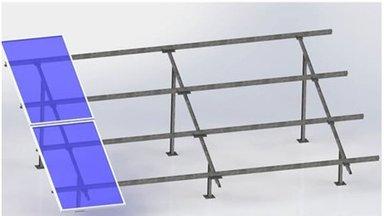
Installation Considerations: When installing solar panels on RCC flat roofs with aluminum racking systems, several factors must be considered to ensure a successful and efficient installation. These include roof load capacity, wind uplift requirements, and proper waterproofing measures to prevent leaks. Additionally, the orientation and tilt angle of the solar panels should be optimized to maximize sunlight exposure and energy production.
Maintenance and Longevity: Proper maintenance is essential for maximizing the longevity and performance of solar installations on RCC flat roofs with aluminum racking systems. Regular inspections, cleaning, and upkeep of the racking components and solar panels help prevent issues such as debris accumulation, shading, and corrosion. With routine maintenance and adherence to manufacturer guidelines, solar installations can continue to generate clean energy for decades to come.
Sheet roof - south facing
Flush mounting
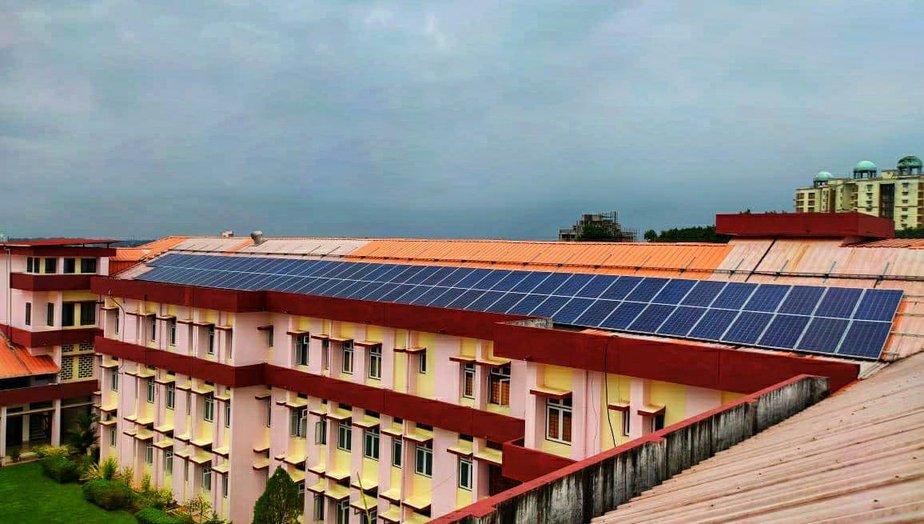
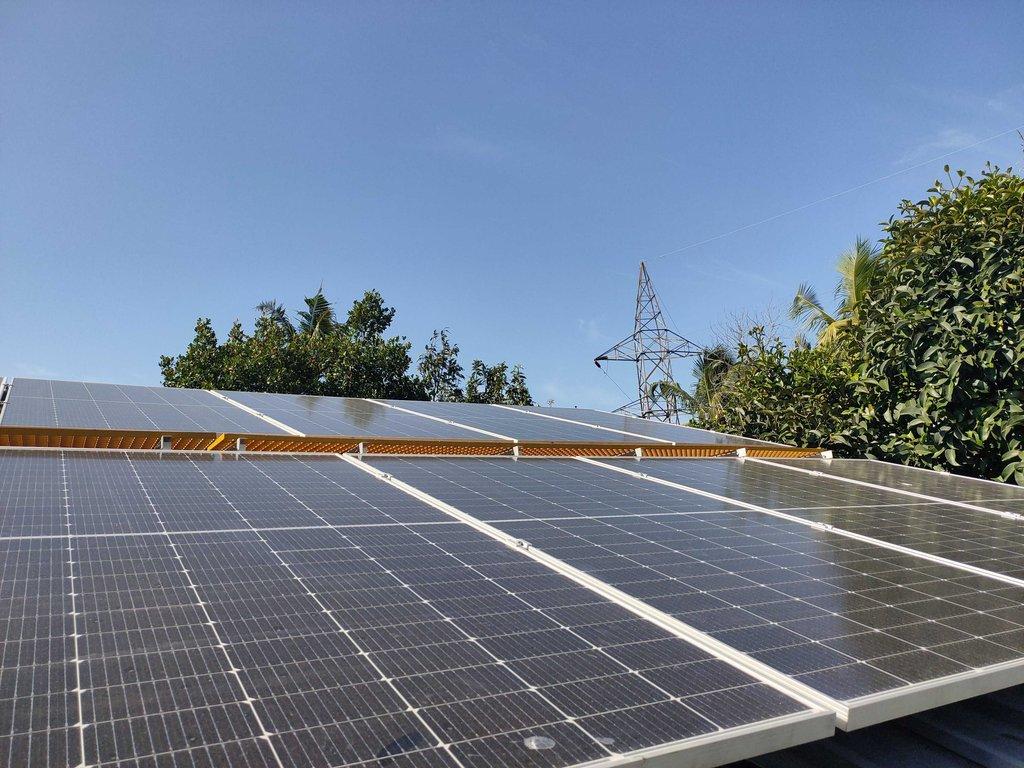
Mounting solar panels on sheet roofs, especially those facing south, presents an excellent opportunity to harness maximum sunlight exposure for optimal energy generation. Among the various mounting options available, flush mounting stands out as a practical and aesthetically pleasing solution. In this article, we explore the advantages and considerations of flush mounting solar panels on south-facing sheet roofs.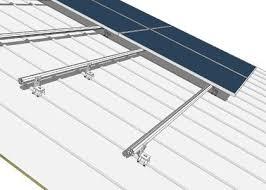
Understanding South-Facing Sheet Roofs: South-facing roofs receive the most sunlight throughout the day in the northern hemisphere, making them ideal for solar panel installations. Sheet roofs, typically made of materials like metal, corrugated iron, or composite panels, provide a sturdy foundation for mounting solar arrays. Their smooth surface and structural integrity make them well-suited for flush mounting, ensuring a seamless integration of solar panels into the roof structure.
Benefits of Flush Mounting: Flush mounting involves installing solar panels parallel to the roof surface, creating a sleek and streamlined appearance. This mounting method offers several advantages, including improved aesthetics, reduced wind resistance, and minimized shading between panels. By sitting flush with the roof, solar panels also experience less airflow underneath, which can help regulate temperature and enhance overall efficiency. Additionally, flush-mounted panels are less susceptible to debris accumulation and are easier to clean and maintain.
Maximizing Sunlight Exposure: To optimize sunlight exposure, it's essential to carefully plan the orientation and tilt angle of the solar panels on south-facing sheet roofs. By aligning the panels perpendicular to the sun's path, typically at a tilt angle corresponding to the latitude of the installation site, maximum solar energy can be captured throughout the day. Utilizing solar tracking systems or adjustable mounting hardware can further enhance energy production by ensuring panels maintain an optimal angle relative to the sun's position.
Installation Considerations: Proper installation is crucial for the success and longevity of flush-mounted solar panels on south-facing sheet roofs. Before installation, the roof structure should be inspected to ensure it can support the weight of the solar array and withstand wind and weather conditions. Additionally, waterproof flashing and sealants should be used to prevent water infiltration and maintain the integrity of the roof. Working with experienced solar installers and adhering to industry best practices can help ensure a safe and effective installation process.
Financial and Environmental Benefits: By harnessing solar energy from south-facing sheet roofs through flush-mounted panels, property owners can enjoy significant financial savings on electricity bills and potentially generate income through net metering or solar incentives. Moreover, transitioning to solar power reduces reliance on fossil fuels, mitigates carbon emissions, and contributes to a more sustainable energy future.
Our Flush Mount Projects
Sheet roof - non south facing or non flat RCC roof
When it comes to installing solar panels on non-south-facing sheet roofs or non-flat RCC roofs, customized mounting structures are essential to maximize energy production and ensure structural integrity. In this article, we explore four innovative custom mounting solutions tailored to address specific challenges associated with such roof types.
Sandwich Method - Sheet Roof Without Cutting: For sheet roofs where cutting is not feasible or desired, the sandwich method offers a non-invasive and efficient mounting solution. This method involves placing the solar panels between the roofing sheets, utilizing specialized clamps or brackets to secure them in place without penetrating the roof surface. By sandwiching the panels between the sheets, this approach maintains the integrity of the roof while providing a secure foundation for the solar array. Additionally, it minimizes the risk of leaks and simplifies the installation process, making it suitable for a wide range of sheet roof configurations.
North-Facing Roof: Installing solar panels on north-facing roofs presents unique challenges due to reduced sunlight exposure compared to south-facing orientations. To optimize energy production on north-facing roofs, custom mounting structures can be designed to tilt the panels at an angle that maximizes sunlight capture throughout the day. Additionally, incorporating solar tracking technology or adjustable mounting hardware can further enhance energy generation by dynamically adjusting panel orientation to follow the sun's path. By leveraging innovative design strategies, solar installations on north-facing roofs can still deliver significant energy savings and environmental benefits.
East-West Roof: East-west roofs, which face both the east and west directions, require specialized mounting solutions to capture sunlight effectively throughout the day. One approach is to install solar panels in a bifacial configuration, allowing them to absorb sunlight from both the east and west sides. Custom mounting structures can be designed to optimize panel tilt angles and spacing to maximize energy production from multiple sun exposure angles. Additionally, incorporating tracking technology or adjustable mounts can enhance performance by dynamically adjusting panel orientation based on the time of day and seasonal variations in sunlight angles.
Lattice Method with Fewer Legs: Traditional solar mounting structures often require numerous support legs for stability, which can be challenging to install and may obstruct roof access or aesthetics. The lattice method offers a more streamlined approach by utilizing a lattice-like framework with fewer support legs strategically placed for optimal weight distribution. This design minimizes the number of penetrations into the roof surface while maintaining structural integrity and stability. By reducing the visual footprint and installation complexity, the lattice method provides an efficient and aesthetically pleasing solution for mounting solar panels on non-flat RCC roofs.
Solar panel mounting structures are essential components of solar energy systems, providing the necessary support and orientation for solar panels to capture sunlight efficiently. There are various types of mounting structures, each designed to suit different installation locations, preferences, and requirements. Here are five primary types of solar panel mounting structures: Solar panel mounting structures play a crucial role in the efficiency and effectiveness of solar energy systems. By understanding the different types of mounting options available, solar installers and homeowners can choose the best solution for their specific needs and maximize the benefits of solar power generation. Whether ground-mounted, roof-mounted, pole-mounted, tracking-mounted, or floating-mounted, each type of mounting structure offers unique advantages and applications in the rapidly expanding field of solar energy technology.

Mariya Paul
Content admin
No comments yet. Login to start a new discussion Start a new discussion